
Automotive & HVAC
Automotive O₂ sensors, refrigerant leak detection and emissions calibration.
What is the role of the O2 (Oxygen) sensor in a vehicle exhaust system?
The role of the O2 (oxygen) sensor in a vehicle's exhaust system is crucial for ensuring efficient combustion, optimizing fuel economy, and reducing harmful emissions.
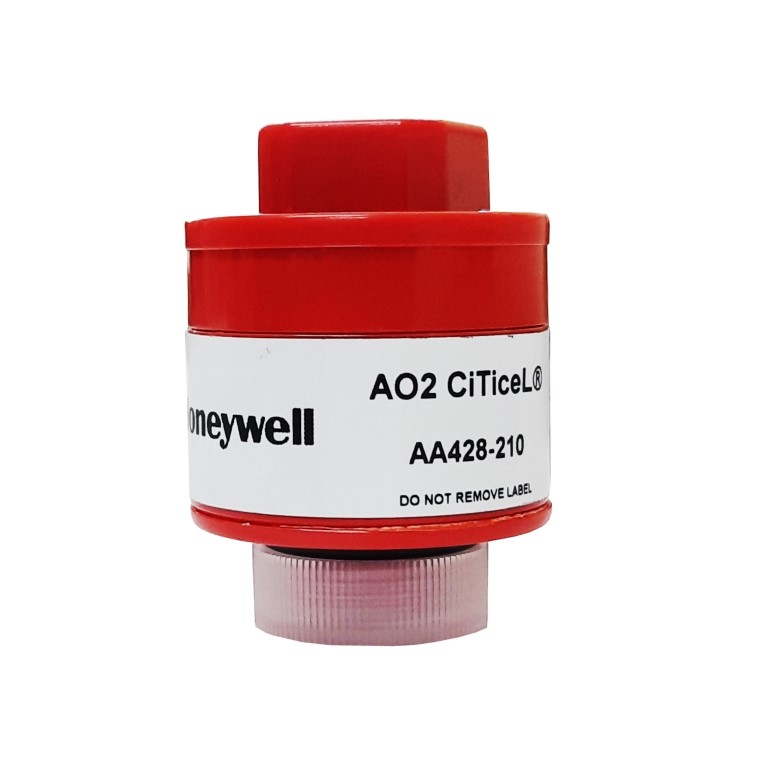
Here's a detailed explanation of its role
In summary, the O2 sensor is a critical component in a vehicle's exhaust system that continuously monitors and provides feedback about the air-fuel mixture and oxygen levels. Its accurate readings enable the engine to operate efficiently, reduce emissions, and comply with environmental standards.
Monitoring Oxygen Levels
The O2 sensor is positioned in the exhaust system, typically before and after the catalytic converter. It measures the concentration of oxygen in the exhaust gases.
Feedback for Air-Fuel Ratio
The sensor provides real-time feedback about the oxygen content in the exhaust gases to the engine control unit (ECU). This information helps the ECU determine whether the engine is running rich (too much fuel) or lean (too little fuel).
Optimizing Combustion
Based on the O2 sensor's input, the ECU adjusts the air-fuel mixture delivered to the engine's combustion chambers. This optimization ensures that the engine operates at its most efficient point, maximizing power output while minimizing fuel consumption.
Fuel Efficiency
By maintaining the correct air-fuel ratio, the engine operates efficiently, leading to better fuel economy. This reduces fuel consumption and lowers the cost of operating the vehicle.
Emissions Control
The O2 sensor plays a critical role in emissions control. It helps the engine maintain the ideal stoichiometric air-fuel ratio (the chemically balanced ratio) for complete combustion. This minimizes the production of harmful pollutants such as nitrogen oxides (NOx), carbon monoxide (CO), and unburned hydrocarbons (HC).
Catalytic Converter Function
The O2 sensor contributes to the optimal operation of the catalytic converter. The converter relies on accurate oxygen levels to perform chemical reactions that convert harmful emissions into less harmful substances.
Adapting to Conditions
The O2 sensor allows the engine to adapt to changing driving conditions, altitudes, and loads. This adaptability ensures consistent performance across different scenarios.
Diagnostic Information
Malfunctioning O2 sensors can trigger diagnostic trouble codes (DTCs) in the vehicle's onboard diagnostic system. These codes provide mechanics with information about potential issues affecting engine performance and emissions.
Compliance with Regulations
Many regions have emissions regulations that vehicles must adhere to. Properly functioning O2 sensors are essential for complying with these standards and passing emissions tests.
Refrigeration sensors
- Refrigeration sensors — Ammonia
- R- (Halocarbons) — Gases Supplied in HPC’s
- SF6, Nitrous Oxide and Halocarbons — 60 Months shelf life
Our Product Range
Specification, Not Order Taking
Tell us the detector, the target gas, the alarm level and the environment. We come back with the part that actually works, and the reason.