
Fire & Rescue
Fleet calibration programmes and generator systems for emergency services.
Using Calibration Gases in the fire service
Calibration gas is critically important in the fire service for several reasons:
Accuracy and Reliability
Firefighters rely on gas detection instruments to identify hazardous gases, such as carbon monoxide, hydrogen sulfide, and flammable gases, in potentially life-threatening situations. Calibration gas ensures that these instruments provide accurate and reliable readings, allowing firefighters to make informed decisions to protect their safety and the safety of others.
Life-Saving Decisions
Firefighters often work in environments where the presence of toxic or flammable gases is a significant risk. Calibration ensures that gas detection instruments accurately measure gas concentrations, enabling firefighters to assess the severity of the situation and take appropriate actions to prevent exposure, explosions, or other hazards.
Legal Compliance
Fire departments are subject to regulations and standards that require proper calibration and maintenance of gas detection instruments. Regular calibration helps fire departments comply with these standards, ensuring that their equipment is up to code and capable of providing accurate readings during emergencies.
Preventing False Alarms
Calibration prevents false alarms that could lead to unnecessary evacuations, disruption of operations, and reduced credibility of the fire department. Accurate calibration reduces the likelihood of instruments triggering alarms when no actual danger is present.
Training and Preparedness
Calibration gas is used not only for actual emergencies but also for training purposes. Firefighters need to familiarize themselves with the gas detection equipment and its responses to different gas concentrations. Properly calibrated instruments during training exercises ensure that firefighters learn how to interpret readings and respond effectively.
Liability and Accountability
In emergency situations, the decisions made by firefighters can have legal and liability implications. Accurate calibration provides a documented record that instruments were functioning correctly, helping fire departments demonstrate due diligence and responsible equipment management.
Equipment Longevity
Regular calibration helps extend the lifespan of gas detection instruments. By ensuring that sensors and components are functioning within specified parameters, calibration reduces wear and tear, minimizing the need for frequent repairs or replacements.
Static and Mobile Gas Detectors
The fire department often uses both static and mobile gas detectors for a variety of gases, including acetylene, hydrogen cyanide, and carbon monoxide. While some detectors can only be used to determine whether gas is present or not, others can be used to calculate the concentration of the gas that is present.
When non-toxic and inert gases, such as nitrogen, become so concentrated that they displace oxygen in the air, they can become a hazard. As a result, reliable concentration measurements from gas detectors are a crucial component of excellent safety procedures for the fire service and other sectors.
For the fire service, this recalibration process may need to be carried out at regular intervals as part of safety procedures.
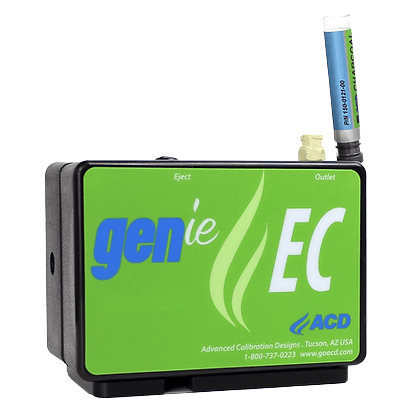
Our Product Range
Specification, Not Order Taking
Tell us the detector, the target gas, the alarm level and the environment. We come back with the part that actually works, and the reason.